MonuMoney.in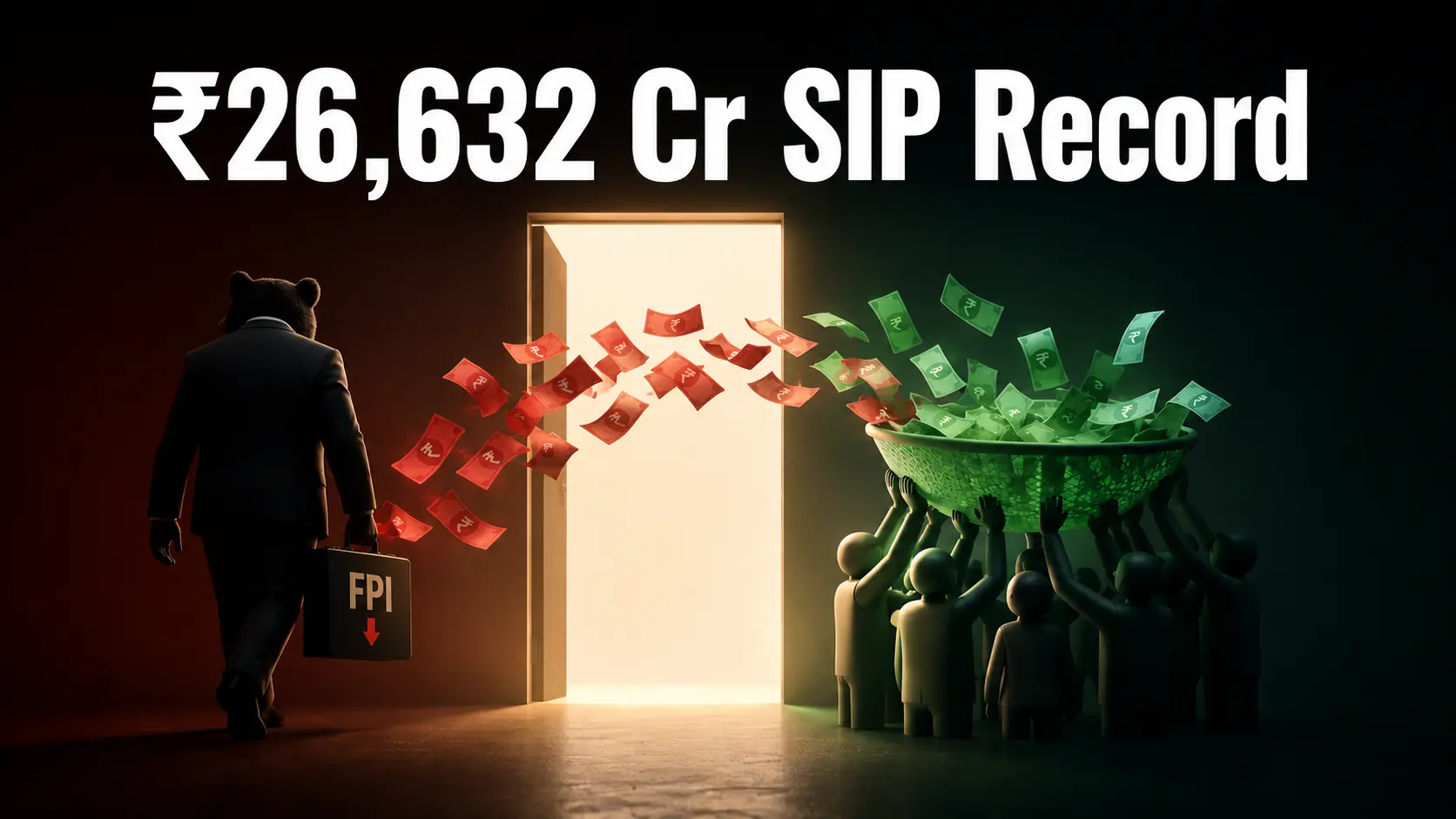
₹26,632 Cr SIP Record: Are You The Exit Liquidity for Wall Street in 2026?
₹26,632 cr SIP record in April 2026 broke history. But FPIs pulled ₹1.92 lakh cr from Indian equities in 4 months. Are retail investors becoming the exit liquidity?
Bhai, ek uncomfortable sawaal puchhna hai.
April 2026 mein Indian retail investors ne SIP ke through ₹26,632 crore daala — record toda. Headlines bole "India's wealth revolution," "retail ka raj," "matlabi FIIs ki kya zaroorat." Twitter pe har finance influencer celebrate kar raha hai.
Same mahine mein, Foreign Portfolio Investors ne ₹60,847 crore nikaal liye.
2026 ke pehle 4 mahine mein FPIs ne ₹1.92 lakh crore Indian equities se nikaal diya — pure 2025 se zyada (NSDL data via Business Standard).
Aur DIIs (Domestic Institutional Investors) ne SIP money se ₹1.7 lakh crore kharida — exactly waise hi stocks jo FIIs bech rahe the.
Math sidha hai. Tu apni ₹2,000/month SIP ke through ek aisi market mein paisa daal raha hai jahan smart money exit kar raha hai.
Yeh story koi nahi bata raha. Mainstream media SIP record ko jashan bana raha hai. Maine apni khud ki ₹2,000 SIP (BHARAT 22 FOF — already underperforming Nifty) ko dekha aur sochne pe majboor hua: kya main exit liquidity hu?
Yeh article uss confusion ki honest tally hai. Numbers, math, aur ek 22-saal ka Digital Marketing Lead ka khud ka portfolio reality check.
TL;DR: April 2026 mein SIP inflow ₹26,632 cr ka record toda (AMFI data). Same mahine FPIs ne ₹60,847 cr beche. 2026 mein ab tak total FPI outflow ₹1.92 lakh cr — pura 2025 se zyada. DII (jo SIP money pe chal raha hai) ne 90% offset kiya. FPI ownership Indian equities mein 16% — 2 decade ka lowest. Rupee ₹92/$, Sensex 12% down YTD. SIP rokne ki nahi, but andha celebrate karne ki bhi yeh ghadi nahi hai. Asli khel samajhna padega.
The "Record SIP" Math Nobody Is Showing You Properly
Pehle headlines decode karte hain. April 2026 mein:
- SIP inflow: ₹26,632 cr (all-time high, prev. ₹25,926 cr in March)
- SIP AUM: ₹13.9 lakh cr (~20% of total MF industry AUM)
- FY25 total SIP: ₹2.9 lakh cr (45% growth YoY)
- Active SIP accounts: 9+ crore
Yeh shaandar numbers hain. India mein financial discipline genuinely badh raha hai. Mera bhi ek SIP chal raha hai isi number mein.
Ab same period mein FPI side dekh:
- April 2026 FPI outflow: ₹60,847 cr
- March 2026 FPI outflow: ₹1,17,775 cr (2026 ka record)
- 2026 YTD FPI outflow: ₹1,91,969 cr (Republic World source)
- 2025 full-year FPI outflow: ₹1,66,283 cr (already breached in 4 months)
- FPI ownership in Indian equities: ~16% — 2 decade ka lowest
Ab dekho dono numbers ek saath:
| Metric | April 2026 |
|---|---|
| Retail ne SIP se kitna daala | +₹26,632 cr |
| FPIs ne kitna nikaala | −₹60,847 cr |
| Net foreign exit (after DII buying) | ~₹1.7 lakh cr YTD |
DIIs ne mostly SIP money use karke FII selling absorb ki. Yeh facts hain. Question yeh nahi ki retail investors ne kuch galat kiya — question yeh hai ki kya yeh "victory lap" actually celebration ke layak hai, ya phir ek smarter investor ko thoda paranoid hona chahiye.
"Exit Liquidity" Theory — Is It Real Or Twitter Doom?
Yeh phrase recently hot hua hai: "retail investors are becoming exit liquidity for FIIs." Spicy hai, but data kya bolta hai?
Argument FOR (retail = exit liquidity):
- FIIs, jo decades se Indian markets ke biggest buyers the, March-April mein record selling kar rahe hain.
- DIIs (jo SIP money pe chalte hain) almost equal magnitude pe khareed rahe hain — yaani sellers ko exit dene wala counterparty wahi hai.
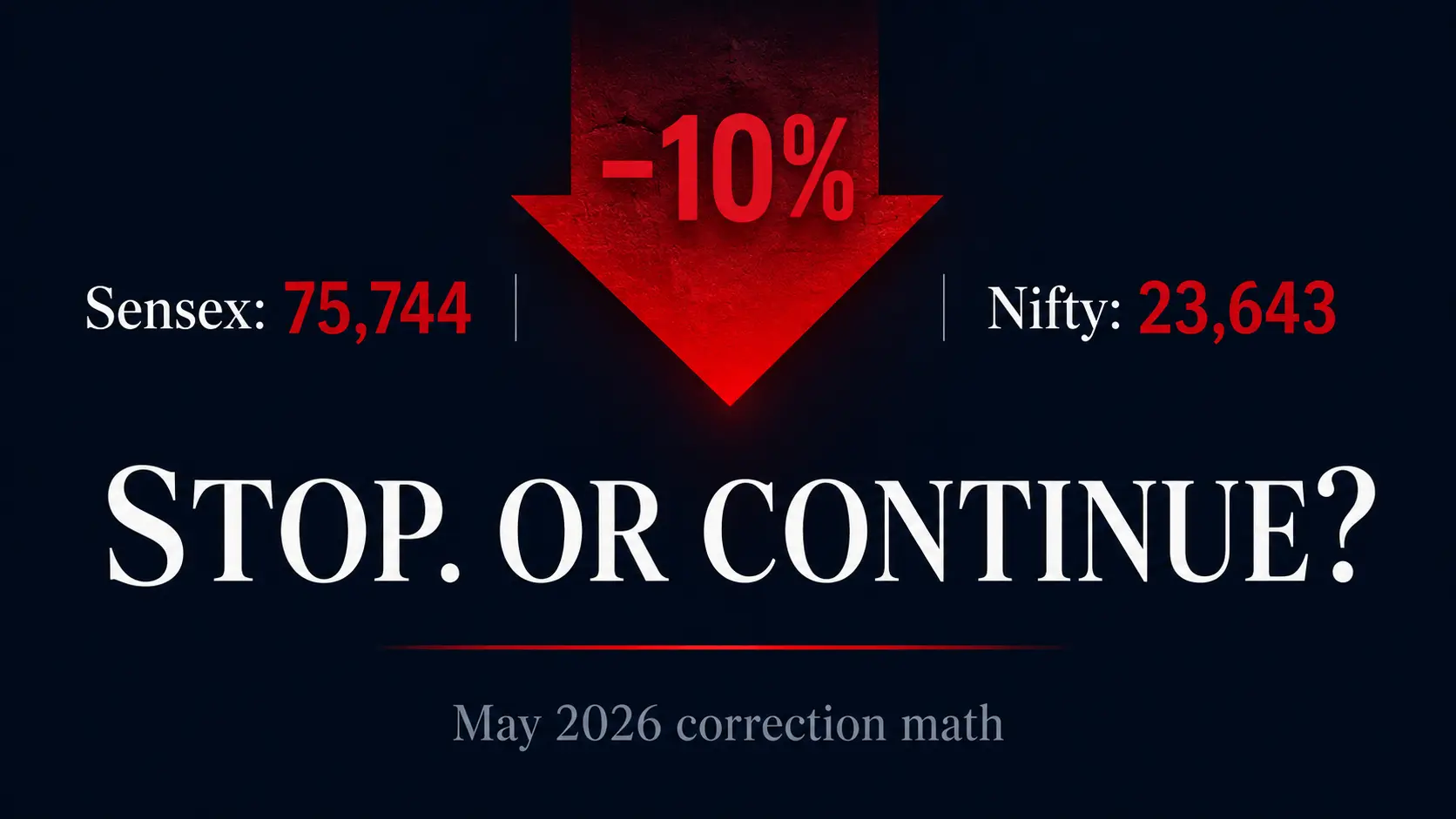
- Smart money typically tab beche jab valuations stretched ho — Nifty 50 abhi 21x P/E ke aaspaas hai, historical median (~17-18x) se mehenga.
- FIIs Korea (~$4 bn) aur Taiwan ($5.5 bn) mein same period mein paisa daal rahe hain. Yaani capital is flowing FROM India TO AI-tech-heavy Asia (Asianet News source).
- Goldman Sachs ne India ka 2026 GDP estimate 7% se 5.9% kiya — oil shock + weak rupee + inflation ki vajah se.
Argument AGAINST (retail isn't exit liquidity, this is normal):
- Indian market ka domestic-base mature ho gaya hai. FII dependency historically high thi — ab balance ho raha hai. Centricity WealthTec ke Sachin Jasuja ka kehna hai ki "incremental selling may be approaching exhaustion."
- SIP investor 10-15 saal ka horizon rakhte hain. Short-term FII flow ke saath their thesis nahi tutti.
- February 2026 mein FPIs ne ₹22,615 cr DAALA — yaani FII flows reversible hain. Permanent exodus nahi hai.
- Retail investors automated SIP ke through systematically rupee cost averaging kar rahe hain — exactly woh kaam jo experts saalon se kehte the.
Mera honest take:
Dono right hain — context-dependent.
Agar tu ₹500-2,000/month SIP ek diversified Nifty 50 index fund mein 15-20 saal ke liye chala raha hai → tu exit liquidity nahi hai. Tu rupee cost averaging kar raha hai aur eventually correction se actually fayda uthayega. SIP ka pura point yahi hai.
Agar tu lump sum mein lakh-do-lakh daal raha hai sirf isliye ki "everyone is doing SIP" — ya phir specific thematic/sectoral funds (PSU, infra, defense, manufacturing) mein concentrated bet le raha hai jab unka run already ho chuka hai — tab tu literally exit liquidity hai. Wahi gun jo FIIs March mein financial sector se 60,000+ crore nikaal kar bhaag rahe hain (Multibagg.ai analysis).
Difference setup mein hai, na ki SIP karne ya na karne mein.
Mera Khud Ka Portfolio Reality Check (Public Confession)
Pehli post mein bhi mention kiya tha — main BHARAT 22 FOF mein ₹2,000/month SIP karta hu, 14 mahine se. Yeh PSU-concentrated thematic fund hai. Aur 2024-25 mein PSU stocks ka strong run tha.
April 2026 ka data dekh ke jo realisation aaya:
FIIs ne March 2026 mein financial/PSU heavy stocks se massive selling ki. Mera fund directly affected hai — kyunki yeh BHARAT 22 ETF track karta hai, jismein SBI, Axis Bank, NTPC, Power Grid, BPCL — sab waise hi names hain.
Mera 14-month XIRR ab Nifty 50 se underperform kar raha hai. Yeh literally textbook "retail investor concentrated in last cycle's winners while smart money exits" example hai.
Main exit liquidity hu? Partially, haan.
Lekin yahan critical distinction hai — main SIP nahi rok raha. Kyunki:
- Concentration bet hai but small (₹2,000/month, total exposure ₹28,000)
- Long-term horizon hai (15+ years for retirement)
- Continuing SIP during PSU correction means I'm now buying same fund at lower NAV — exactly rupee cost averaging ka use case
Lekin yeh rule absolute nahi hai. Agar mera concentration bet ₹50,000-1,00,000/month ka hota, toh yeh approach galat hoti.
Tu agar similar situation mein hai — kisi sectoral/thematic fund mein heavy concentrated SIP — toh seriously sochna chahiye:
- Kya yeh fund last 2-3 saal ka winner tha?
- Kya tu isiliye ghusna gaya kyunki "trending" tha?
- Kya tera total monthly SIP ka 20% se zyada isi mein ja raha hai?
3 mein se 2 "haan" hain toh tu apne portfolio ko honestly review karne ki ghadi mein hai.
What The Smart Money Is Telling You (Read Between The Lines)
FIIs sirf "bechne ke liye nahi bech rahe." Unke pas data hai jo retail investor ke pas nahi hota. Yeh 4 reasons hain unke selling ke pichhe:
1. Rupee Depreciation Crisis
Rupee ₹85/$ se ₹92/$ aaya in less than 18 months. FII jab India se nikalta hai aur dollars mein convert karta hai, tab usse dohra nuksaan hota hai — equity returns + currency loss. Toh selling pressure structural hai, not just sentiment-driven.
2. AI Trade Asia Mein
Korea (Samsung, SK Hynix) aur Taiwan (TSMC) — AI investment cycle ke beneficiary. FIIs systematically India se nikaal kar yahan daal rahe hain. India AI investment cycle mein direct beneficiary nahi hai (chip manufacturing, semiconductor design — abhi tak meaningful scale nahi). Toh structural reallocation ho raha hai, jo monthly numbers se zyada permanent ho sakta hai.
3. Valuations Genuinely Stretched
Nifty 50 P/E 21x ke aaspaas. 10-year median ~17-18x. Earnings growth FY26-FY28 ke liye 16% expected hai (CAGR), jo decent hai but valuations ko fully justify nahi karta. FII ko alternatives mein cheaper opportunities dikhne lagti hain.
4. Geopolitical Risk Premium
US-Iran tensions, crude $100+ ka level, India ka 85% oil import dependence, current account deficit pressure — yeh sab ek "risk-off" environment banata hai jahan emerging markets pe selling pressure aata hai. India yahan victim hai, perpetrator nahi — but flow direction same rehta hai.
Yeh sab structural issues hain. Retail investor ke SIP ke saath kuch nahi karte. Tera rupee cost averaging chalu rakhna sahi decision hai. Lekin ab kuch andha optimism nahi hona chahiye.
What You Should Actually Do Right Now (Practical Action Steps)
Yeh post panic-content nahi hai. SIP rokne ka advice nahi hai. Smarter SIP karne ka guide hai.
1. Concentration Audit Kar — Aaj
Apne current SIPs ki list bana. Dekh kitna percentage thematic/sectoral funds mein ja raha hai (PSU, defense, infra, manufacturing, banking, technology).
Healthy mix:
- 60-70% diversified (Nifty 50 index, Flexi Cap, Multi Cap)
- 15-20% mid/small cap (long horizon ke liye)
- 10-15% thematic (sectoral bets, optional)
- 5-10% international/gold (true diversification)
Agar tu 30%+ thematic mein hai → rebalance kar. Existing units sell mat kar (tax implications). Lekin next SIP increases diversified funds mein daal.
2. Step-Up SIP Activate Kar (Mera Sabse Bada Mistake)
Maine pehle blog mein bhi mention kiya — mera SIP 14 mahine se ₹2,000 pe stuck hai jabki salary ₹25K se ₹35K aaya hai. Step-up SIP setup karne se ₹2,000 → ₹2,200 → ₹2,420 (10% annual) — 15 saal mein difference lakhs ka hai.
Step-Up SIP Calculator pe apni numbers run kar.
3. Direct Plan Verify Kar
Fund name mein "Direct Growth" likha hai? Agar "Regular" hai toh tu 0.5-1.5% annual extra fees pay kar raha hai. 20 saal mein yeh ₹4-8 lakh ka difference hai. Switch kar — capital gains tax lagega but worth it long term.
4. XIRR Calculate Kar — Apni Real Return Dekh
Groww/Zerodha ki app pe "returns %" dikhati hai woh absolute return hai, not annualised. SIP ke liye sahi metric XIRR hai.
Mutual Fund Calculator pe XIRR tab use kar — apne actual transactions daal kar dekh tera fund kis CAGR pe perform kar raha hai. Compare with Nifty 50's 12-13% historical CAGR. Underperforming hai? Switch ka time aa gaya.
5. Don't Time The Market — But Do Time Your Lump Sum
Agar tere pas bonus ya tax refund ke ₹50K-1L extra hain — ek hi bar SIP fund mein mat daal. STP (Systematic Transfer Plan) use kar — liquid fund mein lump sum daal, 6-12 mahine mein equity fund mein transfer kar. FII volatility ka faayda mil jayega.
6. Asset Allocation Review — Quarterly Nahi, Annually
Don't check portfolio daily during volatility. SIP ka pura concept hi long-term commitment hai. Quarterly review max — better yet annual. Daily checking emotional decisions ki tarf le jaata hai.
The Honest Bottom Line — From One 22-Year-Old To Another
Dekho bhai, sach yeh hai:
SIP record genuinely India ki financial maturity ka sign hai. Yeh celebrate karne wali baat hai. 9+ crore Indians SIP kar rahe hain — 10 saal pehle yeh number 2 crore se kam tha.
Lekin financial discipline ≠ smart financial decisions.
Agar tu apni mehnat ka paisa systematically wrong fund mein, wrong concentration mein, wrong time pe daal raha hai — toh "I'm doing SIP" sirf comfort blanket hai. Real return-on-effort kam hoga.
FIIs ka selling pattern uncomfortable hai. ₹1.92 lakh cr in 4 months — yeh "noise" nahi hai. Yeh structural shift ke saath hai (AI Asia, rupee weakness, valuations). Lekin yeh tera SIP rokne ka signal nahi hai — yeh tera SIP smarter karne ka signal hai.
Jo log abhi panic mein SIP rokenge, woh galti karenge. Agar correction aaya, woh same units mein zyada accumulate karne ka chance miss karenge. Jo log andha continue karte rahe sectoral funds mein, woh bhi galti karenge — concentrated downside expose karte rahenge.
Sweet spot: Continue SIP. Diversify. Step-up. Direct plans. Long horizon. XIRR track. Concentration check.
Yeh sab boring hai. Yeh sab Twitter pe viral nahi hota. Yeh sab "₹26,632 cr record!" jaisi headline nahi hai.
Lekin yeh sab tujhe 15 saal baad genuine wealth deta hai. SIP record nahi.
Apna khud ka portfolio audit karne ke liye SIP Calculator, Step-Up SIP Calculator, aur Mutual Fund Calculator with XIRR ka use kar. Mere Best Mutual Funds for Beginners 2026 post mein full beginner-friendly fund selection guide hai.
Frequently Asked Questions
Should I stop my SIP because of FPI outflows in 2026?
No. SIPs are designed for long-term horizons (10-20 years), and short-term FPI flows are noise within that timeframe. Stopping a SIP during a correction is one of the worst common mistakes — you miss out on accumulating units at lower NAVs. As long as your SIP is in a diversified equity fund (Nifty 50 index, Flexi Cap, Multi Cap), the FPI selling actually helps you long-term through rupee cost averaging.Are Indian retail investors really becoming exit liquidity for FIIs?
Partially yes, but it depends entirely on what you're investing in. If you're SIPping into thematic/sectoral funds (PSU, defense, infra, manufacturing) that had a strong 2-3 year run, you're more likely buying what FIIs are exiting. If you're SIPping into broad diversified funds like Nifty 50 index or Flexi Cap, you're rupee cost averaging, not providing exit liquidity. Setup matters more than the act of SIPing itself.How much have FPIs withdrawn from Indian markets in 2026?
As of early May 2026, FPIs have withdrawn approximately ₹1.92 lakh crore from Indian equities in the first four months of the year, according to NSDL data. This is already higher than the ₹1.66 lakh crore outflow recorded in all of 2025. April 2026 alone saw ₹60,847 crore of selling, while March 2026 saw a record ₹1.17 lakh crore.What is the SIP inflow record in April 2026?
SIP inflows hit an all-time high of ₹26,632 crore in April 2026, up 2.72% from ₹25,926 crore in March 2026, according to AMFI data. Total SIP AUM reached ₹13.9 lakh crore, accounting for nearly 20% of the entire mutual fund industry's AUM. Active SIP accounts crossed 9 crore.Why are FIIs selling Indian stocks in 2026?
Four main reasons: (1) Rupee depreciation from ₹85 to ₹92 against the dollar creates compounding currency losses for foreign investors, (2) AI investment cycle is attracting capital to South Korea (Samsung, SK Hynix) and Taiwan (TSMC) instead of India, (3) Indian valuations at 21x P/E look expensive vs other emerging markets, (4) Geopolitical risks from US-Iran tensions pushing crude above $100 per barrel triggering risk-off sentiment.Should I switch from active mutual funds to index funds in 2026?
For most beginners, yes. SPIVA India data shows over 70% of actively managed large-cap funds underperform the Nifty 50 over 10 years after fees. Given current valuations and FPI volatility, the cost advantage of index funds (0.18% vs 1.5%+ for active) compounds significantly. A staggered switch — gradually rebalancing from active to passive over 6-12 months — minimises tax impact and timing risk.What percentage of my portfolio should be in thematic or sectoral funds?
Maximum 10-15% of total equity allocation, and only if you have a specific 7-10 year thesis for that sector. Most retail investors enter thematic funds AFTER the sector has already had a strong run (recency bias) — that's exactly what's happening with PSU funds in 2025-26 as FIIs exit. The bulk (60-70%) of portfolio should be in diversified funds (Nifty 50 index, Flexi Cap, Multi Cap).Disclaimer: This post shares my personal analysis and is for informational purposes only. I am not a SEBI-registered investment advisor. Mutual fund investments are subject to market risks — read all scheme-related documents carefully. Past returns and macroeconomic data do not guarantee future outcomes. The views on FPI flows, exit liquidity, and concentration risk are my interpretation of publicly available data from AMFI, NSDL, and reported financial press. Please consult a qualified financial advisor before making investment decisions based on this content.
Questions or pushback? Email me at contact@monumoney.in or find me on X @monu_money — I genuinely want to hear if you disagree with the exit liquidity framing.
Official Sources & Verification
To ensure accuracy, the formulas, rules, and tax provisions used on this page are verified against official government, regulatory, or institutional sources.
- Income Tax Department of India
- Union Budget & Finance Bill
- Reserve Bank of India (RBI)
- Securities and Exchange Board of India (SEBI)
Last Verified: May 6, 2026