MonuMoney.in
NPS vs PPF 2026: ₹50,000 Tax Saved Means Nothing If You Pick The Wrong One
30 saal mein ₹50K/year ka NPS vs PPF math: ₹33 lakh ka difference, but answer regime aur lifestyle pe depend karta hai. Real numbers, no fluff.
Bhai, 30 saal mein ₹50,000 per year — same investment, do scheme — ₹33 lakh ka difference hai final corpus mein.
Lekin yeh ₹33 lakh ki story sirf headline hai. Asli answer "NPS vs PPF" sawaal ka itna seedha nahi hai. Aur jo finance YouTuber bolte hain ki "NPS always wins because higher returns" — woh tujhe galat sales karte hain.
Maine khud ka math kiya. Real PPF rate (7.1%, current Q1 FY 2026-27 quarter, Ministry of Finance confirmed). Real NPS historical CAGR (10% balanced, 12% aggressive — apne NPS Calculator pe verified). Real Dec 2025 PFRDA withdrawal rules. Real new tax regime impact.
Aur jo answer nikla, woh shocking hai: agar tu ₹15 lakh se kam earn karta hai aur new tax regime mein hai, dono mein se koi bhi tax saving "scheme" tere liye optimal nahi hai. Yeh post uska poora explanation hai — apni regime, apni salary, apni liquidity needs ke hisaab se sahi pick karne ki guide.
TL;DR (Real 30-Year Math): ₹50K/year invest karne pe — PPF (7.1%) = ₹51.5 lakh (100% tax-free at maturity). NPS (10% balanced) = ₹90.4 lakh nominal, ₹85 lakh net after the 20% taxable lump sum tax bite under Dec 2025 rules. NPS aggressive (12%) = ₹1.35 cr → ₹1.27 cr net. NPS gives ₹33-75 lakh more corpus. Lekin NPS ka 20% annuity mein lock hai — only ~₹9,000/month pension at 6% annuity rate. PPF ka pura corpus liquid hai retirement pe. Old regime mein both make sense (Section 80C + 80CCD(1B) = ₹2 lakh deduction). New regime mein dono ka tax benefit zero hai — sirf returns ke basis pe choose karna hai.
The 30-Year Math Nobody Shows You Honestly
Maine apne PPF Calculator aur NPS Calculator pe yeh exact scenario chalaaya. Same investor, same amount, different scheme:
Inputs:
- ₹50,000/year ke contributions
- 30 years (age 30 to 60)
- PPF: 7.1% guaranteed (current rate, EEE tax structure)
- NPS Balanced: 10% historical CAGR (50:50 equity-debt mix)
- NPS Aggressive: 12% historical CAGR (75% equity, allowed under PFRDA rules)
- Old tax regime, 30% slab assumed
| Metric | PPF | NPS Balanced (10%) | NPS Aggressive (12%) |
|---|---|---|---|
| Total invested | ₹15 lakh | ₹15 lakh | ₹15 lakh |
| Nominal corpus at 60 | ₹51.5 lakh | ₹90.4 lakh | ₹1.35 cr |
| Tax saved over 30 yrs (30% slab) | ₹4.5 lakh | ₹4.5 lakh | ₹4.5 lakh |
| Tax at maturity | ₹0 (100% EEE) | ₹5.4 lakh* | ₹8.1 lakh* |
| Net corpus available | ₹51.5 lakh | ₹85 lakh | ₹1.27 cr |
| Liquidity at retirement | 100% | 80% liquid + 20% annuity-locked | Same |
| Monthly pension from annuity (6%) | ₹0 (no annuity) | ~₹9,047 | ~₹13,514 |
*Tax on the 20% taxable portion of NPS lump sum (Dec 2025 PFRDA rules: 80% lump sum allowed, but only 60% tax-free under Section 10(12A); the extra 20% is taxable at slab rate).
Bottom-line: NPS jeeta on absolute corpus. ₹33-75 lakh ka extra corpus banata hai over PPF.
Lekin yeh number ke neeche teen catches hain jo nobody is showing you.
The 3 Catches That Change The Whole Picture
Catch #1: NPS Ka 20% Permanently Annuity Mein Lock Hai
NPS ke ₹85 lakh net corpus mein se ₹18 lakh annuity mein chala jaata hai mandatorily. Dec 2025 PFRDA rules ne minimum annuity 40% se 20% kiya — yeh significant improvement hai. Lekin 20% bhi mandatory hai.
Annuity service providers (LIC, HDFC Life, SBI Life) typically 5.5–7% annuity rate dete hain. Yaani ₹18 lakh annuity se monthly pension ~₹9,000 milegi. Pension lifetime ke liye guaranteed hai, but yeh 7% annual return inflation (6%) ko barely beat karta hai.
PPF mein koi annuity force nahi hai. ₹51.5 lakh poora corpus tera hai. Tu chahe FD mein daal, equity mutual fund mein daal, ya monthly use kar — flexibility 100% hai.
Catch #2: PPF Ka Maturity Genuinely 100% Tax-Free Hai (EEE)
PPF ka structure Exempt-Exempt-Exempt hai — contribution, interest, aur maturity teeno tax-free.
NPS ka structure complicated hai. Dec 2025 ke baad:
- 60% lump sum tax-free under Section 10(12A) ✅
- Next 20% lump sum taxable at slab rate (because tax law ne Dec 2025 PFRDA changes ke saath update nahi kiya) ⚠️
- 20% annuity purchase tax-free ✅
- Monthly pension taxable as income har saal ❌
Toh NPS practically EE-ET-T scheme hai (partly taxed at maturity, fully taxed pension). Net effect: NPS ke ₹90 lakh corpus se ₹85 lakh hi haath aata hai, pension ke alaava.
Catch #3: New Tax Regime Mein Dono Ka 80C/80CCD(1B) Benefit ZERO Hai
Yeh sabse bada decision-flipper hai. Naye tax regime (jo 2026 mein default hai) mein:
- ❌ Section 80C (PPF ka ₹1.5 lakh) — NOT allowed
- ❌ Section 80CCD(1B) (NPS ka exclusive ₹50K) — NOT allowed
- ✅ Section 80CCD(2) (employer NPS contribution up to 14%) — Still allowed (corporate NPS only)
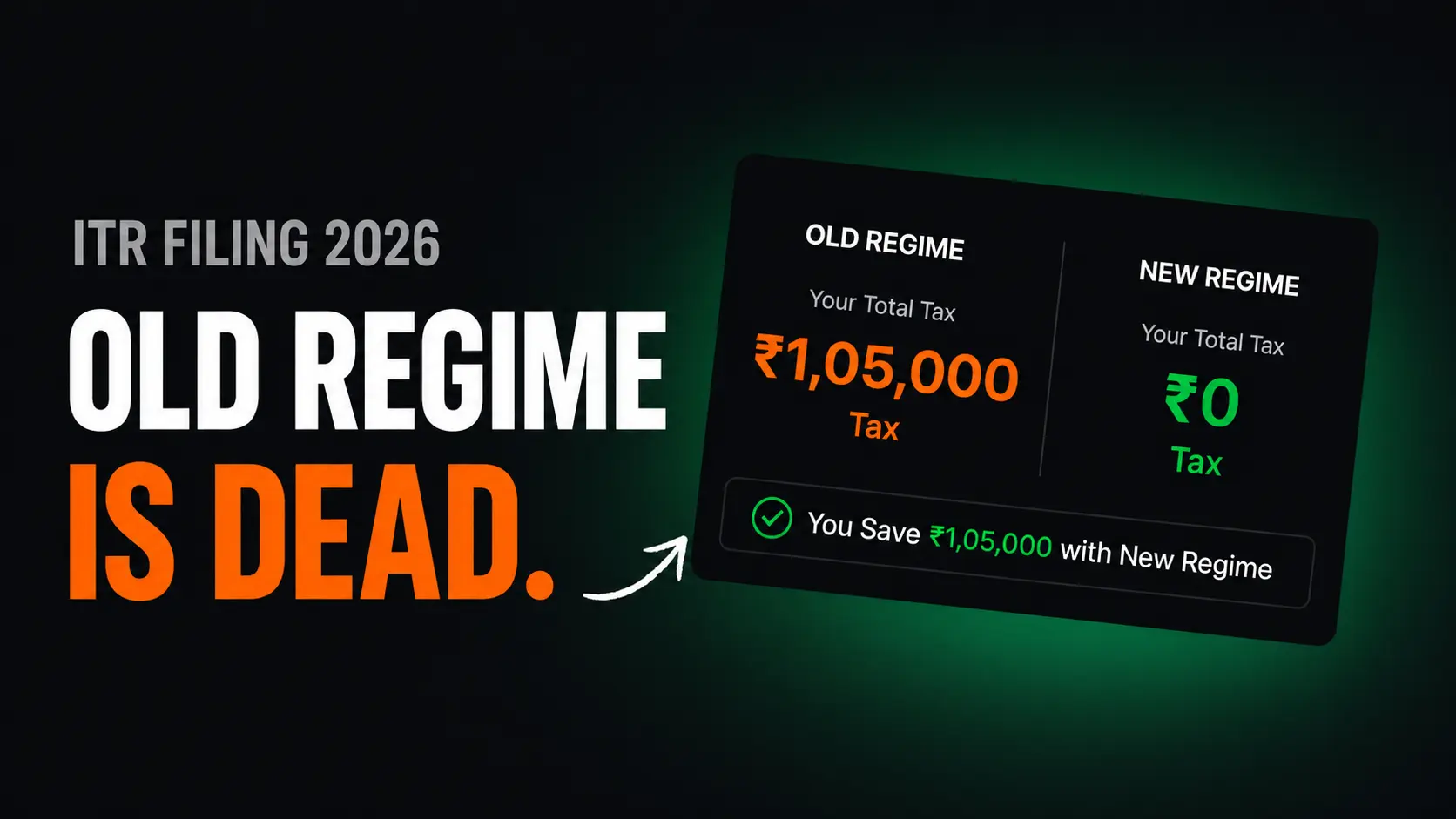
Maine apni ITR Filing 2026 post mein detail mein discuss kiya — under new regime, ₹12.75 lakh tak income tax-free hai. Toh ₹50K NPS mein daalne se kuch tax benefit nahi milta — sirf locked-in retirement vehicle hai jisme returns hain.
Decision matrix simplify hoti hai:
- Old regime + ₹15L+ income + want tax savings → NPS + PPF dono karo (pura ₹2 lakh deduction haath aata hai)
- New regime + any income → Tax benefit dono mein zero — sirf returns ka game hai. NPS jeeta returns mein, PPF jeeta liquidity mein.
Salary-Wise Honest Recommendation (Real Indian Context)
Maine 5 typical Indian salary bands ke liye decision frame banaya. Apna band dhundh:
Salary Band 1: ₹6L–₹12L (New regime by default)
Status: Tu ₹12.75 lakh tak tax-free zone mein hai. 80C/80CCD(1B) ka koi benefit nahi.
Recommendation:
- ❌ PPF mat kar — 7.1% return inflation ko barely beat karta hai, paisa 15 saal lock
- ❌ NPS self-contribution mat kar — annuity drag + lockup + zero tax benefit
- ✅ Equity SIPs (Nifty 50 Index Fund) — 11–13% historical CAGR, 100% liquid
- ✅ Agar company offer kare toh Corporate NPS via 80CCD(2) — yeh new regime mein bhi allowed hai aur tax-free deduction hai
Yaani tere liye PPF/NPS dono off the table. Best Mutual Funds for Beginners 2026 post mein index funds ka actual breakdown hai.
Salary Band 2: ₹12L–₹18L (Mostly new regime, some old)
Status: Crossover zone. Old regime mein agar HRA + home loan max kar sakte ho toh worth checking.
Recommendation (new regime):
- ✅ Equity SIPs (60-70% of investments)
- ✅ Corporate NPS via 80CCD(2) if employer matches
Recommendation (old regime):
- ✅ PPF (₹1.5 lakh max) — anchors safe portion of portfolio at 7.1% guaranteed + 80C
- ✅ NPS ₹50K (just for 80CCD(1B) exclusive deduction) — ₹15K direct tax saved at 30% slab
- ✅ Equity SIPs for the remaining
Yeh combination old regime mein ₹2 lakh ka tax deduction unlock karta hai jo new regime mein available nahi hai.
Salary Band 3: ₹18L–₹30L (Old regime usually wins)
Status: Old regime is genuinely better here if you have HRA + home loan + maxed deductions. NPS + PPF combination saves real tax.
Recommendation:
- ✅ PPF ₹1.5 lakh/year (EEE structure, safe core)
- ✅ NPS ₹50K via 80CCD(1B) (exclusive deduction)
- ✅ Equity mutual funds for wealth multiplication
- ✅ ELSS for additional 80C if PPF not maxed
Tax saved annually: ~₹60K (at 30% slab on ₹2L deduction). Compounded over 30 years = serious money.
Salary Band 4: ₹30L+ (HNI-adjacent)
Status: Old regime almost always wins here. Tax planning becomes priority.
Recommendation:
- ✅ PPF + NPS combo (full ₹2L deduction)
- ✅ Corporate NPS via 80CCD(2) — additional 14% of basic salary deduction (tax-free)
- ✅ Aggressive equity allocation in mutual funds
- ✅ Consider VPF (Voluntary Provident Fund) for additional 80C via salary structure
Salary Band 5: Self-employed / Freelancer (Like Me)
Status: Default to new regime usually wins (no salary deductions like HRA, no employer EPF).
Recommendation:
- ✅ NPS Tier I via 80CCD(1B) — only ₹50K, but exclusive (and one of the few deductions left)
- ✅ Equity SIPs primarily — flexibility matters more than tax saving here
- ❌ PPF — 7.1% locked for 15 years doesn't make sense unless you specifically want a guaranteed-return safe bucket
- ✅ Build emergency fund first (6 months expenses) before any of this
My Personal Choice (And Why)
Tu mere 14-month investing journey already padh chuka hai Best Mutual Funds for Beginners 2026 mein. Yahan honest update:
Maine PPF abhi tak nahi khola. Reasons:
- New tax regime use kar raha hu — 80C ka koi benefit nahi
- ₹50,000/year ek scheme mein lock karne se zyada uska equity mutual fund mein daal kar 12% CAGR target karna better hai
- 22 saal ki age mein 15-year lockup ka opportunity cost zyada lagta hai
NPS bhi abhi nahi liya. Lekin agle 1-2 saal mein consider karunga because:
- Self-employed hu ab — 80CCD(1B) ka ₹50K exclusive deduction worth lagega agar mera total income old regime mein push hua
- Long-term retirement bucket banana hai — even with annuity drag, behavioral lockup ka value hai (paise touch nahi kar paunga galat reason se)
Mera primary play abhi: Equity mutual funds via SIP + Corporate NPS through future employment if available. PPF ko till old regime not justified.
Yeh decisions tere liye change ho sakti hain — apna salary, apna regime, apna lifestyle dekh ke decide kar.
Quick Decision Framework (Print This)
3 questions puchh apne aap se:
Q1: Tu old regime mein hai ya new regime?
- Old → 80C/80CCD(1B) deductions matter → NPS aur PPF dono evaluate kar
- New → Sirf returns matter → Equity mutual funds usually win
Q2: Tujhe 15-30 saal tak lockup acceptable hai?
- Haan → PPF/NPS theek hain
- Nahi → Equity mutual funds (no lockup, similar long-term returns)
Q3: Retirement pe kya zyada chahiye — guaranteed monthly pension ya flexible lump sum?
- Pension → NPS (annuity guaranteed, but only 5-7% rate)
- Lump sum → PPF or equity (full control)
NPS vs PPF Side-by-Side (2026 Updated)
| Feature | PPF | NPS |
|---|---|---|
| Returns | 7.1% guaranteed | 9-12% market-linked |
| Lock-in | 15 years (extendable in 5-yr blocks) | Till age 60 (or 15 yrs for non-govt) |
| Maximum yearly contribution | ₹1.5 lakh | No upper limit (deduction capped) |
| Tax deduction (Old regime) | ₹1.5L under 80C | ₹2L total (₹1.5L 80C + ₹50K 80CCD-1B) |
| Tax deduction (New regime) | ❌ None | ❌ None for self; 80CCD(2) employer route only |
| Tax on maturity | 100% tax-free (EEE) | 60% tax-free + 20% taxable + annuity tax-free |
| Mandatory annuity | None | 20% (Dec 2025 PFRDA rules) |
| Liquidity at retirement | Full lump sum | 80% lump sum + 20% locked annuity |
| Inflation beat | Marginal (7.1% vs 6%) | Strong (10-12% vs 6%) |
| Risk | Sovereign-backed, zero risk | Market-linked, equity volatility |
| Best for | Conservative, old regime, want zero risk | Aggressive long-term, want higher corpus |
Frequently Asked Questions
Should I invest in both NPS and PPF together?
Only if you're in the old tax regime with income above ₹15 lakh. Together they unlock the full ₹2 lakh deduction (₹1.5L PPF under 80C + ₹50K NPS under 80CCD(1B)). For new regime users, neither gives a tax benefit, so the choice depends purely on returns vs liquidity preferences. Run your own numbers using the [PPF Calculator](https://monumoney.in/calculators/ppf-calculator) and [NPS Calculator](https://monumoney.in/calculators/nps-calculator).Is PPF still worth it in 2026 with new tax regime?
For new regime users, PPF loses its primary appeal (the 80C deduction). At 7.1% return vs 6% inflation, real returns are barely 1%. You'd be locked in for 15 years with marginal real growth. For most people under new regime, an equity mutual fund SIP (10-12% historical) makes significantly more sense. PPF still works for very conservative investors who want zero risk and don't mind low real returns.Which gives higher returns — NPS or PPF over 30 years?
NPS gives significantly higher returns. ₹50,000/year for 30 years grows to ~₹51.5 lakh in PPF (7.1%) vs ~₹90 lakh in balanced NPS (10%) and ~₹1.35 cr in aggressive NPS (12%). However, NPS has a mandatory 20% annuity allocation that earns only 5-7%, so net usable corpus after retirement tax is ~₹85 lakh for balanced NPS and ~₹1.27 cr for aggressive NPS — still more than PPF.What is the December 2025 PFRDA rule change for NPS withdrawal?
The mandatory annuity at retirement was reduced from 40% to 20%. So you can now withdraw 80% as lump sum (up from 60% earlier). However, only 60% remains tax-free under Section 10(12A) of the Income Tax Act — the additional 20% lump sum is taxable at your slab rate until tax law catches up. This means the practical tax-free benefit is unchanged; only the cashflow flexibility improved.Can I withdraw my PPF money before 15 years?
Partial withdrawals are allowed from year 7 onwards, up to 50% of the balance at the end of year 4. Premature closure is allowed only after year 5 in specific cases (medical emergency, higher education, change of residency). Loans against PPF can be taken between year 3 and year 6. For most practical purposes, treat PPF as a 15-year locked instrument.What happens to NPS if I die before retirement?
Your nominee receives 100% of the NPS corpus as a lump sum without any annuity requirement. This is significantly better than PPF, where the nominee receives the corpus but at the lower 7.1% growth rate. For young investors with dependents, NPS's death benefit structure is genuinely more efficient than most assume.Should I pick NPS or equity mutual funds for retirement?
For most new regime users under ₹15L income, equity mutual funds via SIP are typically better — same/better returns (Nifty 50 ~12% historical CAGR vs NPS aggressive ~12%), full liquidity, no annuity lockup. NPS makes more sense if you specifically want behavioural lockup (can't touch the money) or if you're in old regime and want the ₹50,000 80CCD(1B) deduction. Read my [Best Mutual Funds for Beginners 2026](https://monumoney.in/blog/best-mutual-funds-beginners-2026) for the equity mutual fund alternative.Disclaimer: This post is for informational purposes only and reflects my personal interpretation of public data and rules as of May 2026. I am not a SEBI-registered investment advisor or chartered accountant. PPF interest rates are reviewed quarterly by the Ministry of Finance — check the official Income Tax Department portal and PFRDA for current rates and rules. NPS returns are market-linked and not guaranteed. Tax implications vary by individual situation — consult a qualified CA before making major retirement planning decisions.
Sources referenced: Ministry of Finance (PPF rate notifications), PFRDA (NPS withdrawal rules), Section 10(12A) and Section 80CCD of the Income Tax Act 1961.
Questions? Email me at contact@monumoney.in or find me on X @monu_money.